
Frieren: Beyond Journey's End
TV202315 epsFinished
Picking up a new anime sounds simple until you search the title and find three seasons, two spin-off movies, and a mysterious "Season 0" nobody explained. Multi-cour franchises rarely arrive in one tidy package, and figuring out what to watch first can feel like its own side quest. That confusion is exactly why watch order questions are some of the most common ones new fans ask, and why even longtime viewers sometimes need a refresher before jumping back into a series they paused years ago.
This guide walks through how to think about anime watch order, why episode guides matter more than people assume, and how a well-organized catalog can save you from spoilers, skipped arcs, and wasted hours. Along the way we will use real examples from shows popular on Aniwatch, so the advice is not just theoretical. Whether you are brand new to anime or returning after a long break, the goal is the same: watch things in an order that actually makes sense for the story.
It is tempting to think watch order is a minor detail, but anime storytelling leans heavily on continuity. Character relationships, running jokes, and emotional payoffs are built across multiple seasons, and watching things out of sequence can flatten moments that were supposed to hit hard. A joke in episode forty only works because of something that happened in episode twelve.
This is especially true for shows with large ensemble casts, where the writers assume you remember who everyone is and what they have already been through. Jujutsu Kaisen is a good example: its prequel movie and its two seasons released in an order that trips up a lot of new viewers, and watching them incorrectly can genuinely confuse who is alive, who has met whom, and what the current stakes are.
Watch order also protects the pacing the creators intended. Studios plan reveals, timeskips, and cliffhangers around a specific sequence of episodes. Jump around and you risk either spoiling a twist for yourself or watching a resolution before you understand the problem it is resolving.
Once you accept that order matters, the next question is which order to follow: the sequence episodes originally aired in, or the sequence events happen in the story. These are not always the same thing, and neither one is automatically correct.
Release order is usually the safer default, since that is how the creators intended the reveals to land. A show might deliberately withhold backstory until later, and watching a prequel movie first can accidentally spoil something the original series wanted to build toward slowly. Story order can make more sense for series where a prequel was clearly designed to be watched before the main story to set up context.
The safest approach is to check both before committing. Read a short summary of what each movie or season covers, note whether it is billed as a side story, a recap, or a direct continuation, and decide from there. Spending five minutes on this before you start saves you from rewatching things later.
Long-running franchises are where watch order gets genuinely complicated, because movies, OVAs, and specials get slotted in at different points depending on region and release timing. Demon Slayer: Kimetsu no Yaiba is a well-known example, since its movie continues directly from one season and leads into the next, meaning skipping it leaves an actual gap in the story rather than just missing bonus content.
Not every movie is essential, though. Some are self-contained side stories that do not affect the main plot, and treating every piece of extra content as mandatory viewing can turn a manageable show into an overwhelming project. The trick is telling skippable-but-fun apart from required-to-understand-later-events, and a clear episode guide usually makes that distinction obvious.
Multi-cour shows add another wrinkle, since a single season can be split into two broadcast blocks with a mid-season break. Solo Leveling follows this pattern, and it is easy to think you have finished a season when really there is a second half still coming. Checking an accurate episode count ahead of time avoids that false sense of completion.
An episode guide is not just a numbered list. A good one tells you how many episodes a season actually has, where lower-priority content sits, and how seasons connect to related movies or specials. That context turns a vague where-do-I-even-start feeling into a clear plan.
This matters even for shows without much filler. One Punch Man, for instance, has had long gaps between seasons, and viewers coming back often forget small details, like which villains were already introduced or how a fight ended. A clear episode guide lets you jump to a quick synopsis instead of rewatching an entire season just to reorient yourself.
Episode guides also help with shows that have unusual structures, like Mob Psycho 100, which mixes shorter side episodes with its main numbered ones. Without a guide, it is easy to watch things in an order the creators never intended, missing small character beats that pay off later.
Choosing between subtitles and a dubbed version might seem separate from watch order, but it affects continuity too. Voice cast changes and translation choices for names and terminology can differ between a show's original run and any dubbed movies or later seasons, especially when a long gap separates them.
Picking one format early and sticking with it keeps the experience consistent. Switching from dub to sub partway through The Apothecary Diaries or a similarly dialogue-heavy series can be jarring, since character voices and translated terms may not match exactly. It is not a huge deal for casual viewers, but for anyone staying deeply immersed in a story, consistency helps.
Availability matters here too. Not every season or movie in a franchise gets a dub immediately, so it is worth checking whether your preferred format is available across the whole watch order you are planning, rather than discovering a gap partway through.
This is exactly the problem Aniwatch's episode list pages are built to solve. Instead of guessing where a movie fits or how many episodes a season contains, each series page lays out the full episode list in order, with clear labels for seasons, specials, and related entries, so you can see the whole picture before you start.
For a show like Frieren: Beyond Journey's End, where the pacing is deliberately slow and reflective, having an accurate episode list matters because skipping around undercuts the quiet character moments the story is built on. Aniwatch's catalog groups these episodes clearly, making it easy to watch in the intended sequence.
The Sub and Dub filters on Aniwatch tie directly into this as well. Once you know which format you prefer, you can browse a series' episode list already filtered to match, removing the friction of checking availability one episode at a time. Combined with genre tags, this makes Aniwatch a practical home base for planning a watch order.
Coming back to a show after months or years away is its own challenge, separate from starting fresh. The biggest mistake returning fans make is assuming they remember more than they do, then getting lost a few episodes into a new season because an earlier plot thread quietly resurfaces.
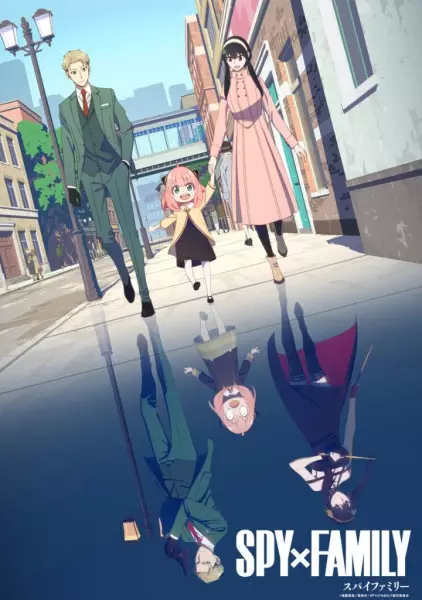
Before restarting a series like Chainsaw Man or Spy x Family after a long gap, check exactly which episode you left off on rather than guessing, since a single missed episode can mean missing a key introduction or turning point. A quick recap of the previous season's last few episodes is usually enough to reorient yourself without rewatching everything.
It is also worth using genre tags and related listings to rediscover shows similar to what you used to watch, especially if your taste has shifted since you last followed a series like Blue Lock. An episode guide that clearly marks where a season ends turns a hesitant return into an easy one.
Watch order does not have to be a puzzle. Once you know to check whether a franchise favors release order or story order, which movies are essential versus optional, and how multi-cour seasons split their episodes, most of the confusion disappears. What is left is just the fun part: actually watching the show.
That is the role Aniwatch is meant to play, not as one more thing to figure out, but as the reference point that makes figuring it out easier. With clear episode lists, Sub and Dub filters, and genre browsing all in one place, Aniwatch gives both new fans and returning ones a simple way to see the full picture before pressing play, and to pick up exactly where they left off.


Join the conversation around trending anime, new episode guides, and fan-favorite series.