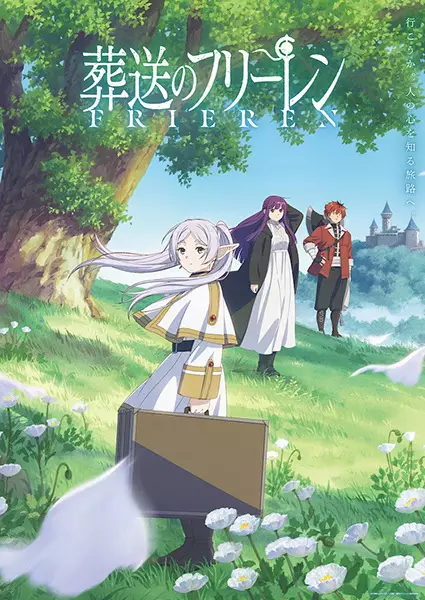
Frieren: Beyond Journey's End
TV202315 epsFinished
Anime has a reputation for being intimidating to newcomers, mostly because there's simply so much of it. Decades of series, dozens of genres, ongoing debates about subtitles versus dubbing, and a catalog that spans everything from ten-episode miniseries to shows with over a thousand episodes can make even a curious first-timer close the tab before pressing play on anything. The good news is that none of that complexity is a requirement to get started. You need exactly one show, a rough sense of what you like, and a place to watch it.
That's what this guide is for. Rather than overwhelming you with a ranked list of "must-watch classics," it walks through how to think about picking a first series, what to actually expect from anime as a storytelling medium, and how a catalog site like Aniwatch organizes its shows so that starting doesn't feel like a research project. By the end, you should have a clear next step instead of a longer list of things to figure out.
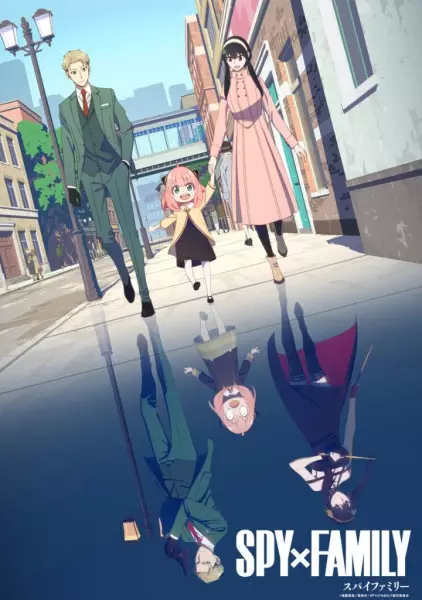
The first adjustment for newcomers is realizing that anime isn't a genre, it's a medium, the same way live-action television is a medium. Western audiences often grow up associating animation with children's programming, so it can be surprising that anime regularly tackles war, grief, corporate politics, and existential dread alongside comedy and action. A show like Chainsaw Man leans into brutal violence and dark humor aimed squarely at older teens and adults, while something like Spy x Family tells a warm, family-oriented story that works for nearly any age. Both are anime. Neither is an outlier.
The second adjustment is pacing. Many anime originate from ongoing manga, so a single season might cover one arc of a much longer story, ending on a cliffhanger rather than a tidy resolution. This is normal and not a sign the show was cancelled. Series like Jujutsu Kaisen or Demon Slayer: Kimetsu no Yaiba are structured this way deliberately, releasing in seasonal chunks so the story can breathe rather than rushing through years of source material in twelve episodes.
Once you internalize that anime spans every tone and audience, choosing a first show becomes less about finding "the best anime ever made" and more about finding the right entry point for your own taste.
The most common mistake beginners make is starting with whatever ranks highest on a global list, regardless of whether it matches their actual taste. A better approach is to think about what you already enjoy in movies or TV and work backward from there. If you like high-stakes action with clear stakes and satisfying fights, something like One Punch Man delivers spectacle with a comedic twist, while Blue Lock offers intense competitive drama built around soccer and ruthless ambition rather than magic or monsters.
If you prefer character-driven stories with emotional depth, Frieren: Beyond Journey's End is a gentler, more reflective series about an elf mage processing loss and time long after her adventuring party's quest has ended. It's proof that anime doesn't need constant action to be gripping. Meanwhile, if mystery and slower-burn intrigue appeal to you, The Apothecary Diaries follows a sharp-witted apothecary solving court intrigues in a fictional palace, blending detective-style plotting with historical atmosphere.
Episode count matters too. A first anime doesn't need to be a decade-spanning commitment. Shorter, self-contained seasons let you sample the medium without a massive time investment, and if you land on something you love, you can always go deeper into that franchise or genre afterward.
One of the earliest decisions new viewers face is whether to watch with Japanese audio and subtitles or an English dub, and there is no universally correct answer. Subbed anime preserves the original voice performances, which many longtime fans prefer for tone and nuance, but it does require reading text while following on-screen action. Dubbed anime removes that reading requirement entirely, letting you watch the way you'd watch any English-language show, and dub quality has improved dramatically over the past decade.
A practical approach for beginners is to simply try both on the same show and see which one lets you focus on the story rather than the format. Comedies and fast-dialogue series sometimes land better in your native language, since jokes and timing translate more naturally, while dramatic or atmospheric series can feel more authentic in the original Japanese audio. There's no loyalty test here; switching between Sub and Dub episode to episode, or show to show, is completely normal viewing behavior.
This is exactly why catalog sites build Sub/Dub filters directly into the browsing experience rather than treating it as an afterthought. Being able to toggle between formats before committing to a series removes one more barrier between deciding to watch anime and actually watching it.
Anime genre labels can look unfamiliar at first, but they map onto categories most viewers already recognize once explained. Shonen refers to action-adventure series aimed originally at young male readers, though the audience is far broader in practice, and it covers everything from Demon Slayer: Kimetsu no Yaiba's supernatural swordplay to Jujutsu Kaisen's cursed-energy battles. Seinen aims at an older audience and tends toward heavier themes, darker humor, or more complex morality, which is part of what makes Chainsaw Man feel distinct in tone from more traditional shonen fare.
Other genres worth knowing include isekai, where a character is transported into or reborn in another world, as seen in the power-fantasy progression of Solo Leveling, and slice-of-life, which focuses on everyday relationships and small moments rather than grand conflict. Supernatural comedy is its own lane too; Mob Psycho 100 blends psychic powers with genuinely funny, heartfelt writing about a teenager who'd rather not use his abilities at all.
Knowing these labels isn't about gatekeeping vocabulary, it's a practical filtering tool. Once you know you gravitate toward psychological drama over slapstick, or sports intensity over fantasy battles, genre tags become the fastest way to find your next watch instead of scrolling endlessly.
A big part of what makes anime feel overwhelming to newcomers isn't the shows themselves, it's the discovery process. Aniwatch is built specifically to solve that problem by organizing its catalog around the decisions viewers actually need to make: genre, format, and where to pick up next. Instead of a single undifferentiated list of titles, shows are sorted by genre categories so you can browse action, romance, mystery, or slice-of-life without wading through everything else.
Episode guides are the other piece of that structure. Because so many anime run for multiple seasons or split cours, knowing exactly which episode you left off on, or which order arcs air in, matters more than it does for most Western television. Clear episode listings mean you're never guessing whether you've seen an episode already or accidentally skipping ahead past a key story beat.
The Sub/Dub filter ties directly into the choice covered earlier, letting you set a preference once and browse titles already matching it rather than checking format availability show by show. Together, these features turn a huge, sprawling catalog into something a total beginner can navigate in a few clicks rather than an afternoon of scattered searching.
Once you've watched your first show or two, the temptation is often to try to catch up on everything at once, which is a fast route to burnout. A more sustainable approach is to keep two or three shows in rotation across different genres or moods, so you're never stuck watching something that doesn't fit how you feel that day. Pairing a lighter comedy with a more intense action series is a common combination among longtime fans for exactly this reason.
It also helps to follow currently airing seasons alongside completed classics. Watching a show week-to-week as new episodes release adds a sense of community and anticipation that binge-watching a finished series doesn't fully replicate, and it's a low-commitment way to sample newer titles without a multi-season backlog.
Finally, don't treat dropping a show as a failure. Not every series will click, even ones that are objectively well made or widely praised, and that's a normal part of figuring out your taste rather than a reason to second-guess getting into anime in the first place.
Starting anime doesn't require memorizing decades of history or picking the "right" first show on your initial try. It just requires watching something, noticing what pulled you in or what didn't, and letting that curiosity point you toward the next title. Some viewers fall in love through big shonen action, others through quiet slice-of-life stories, and plenty of people bounce between both once they realize anime isn't one genre but dozens living under the same label.
The fastest way to keep that momentum going is to watch somewhere that makes the next choice easy instead of overwhelming. That's the whole idea behind Aniwatch: a catalog built around genres, episode guides, and Sub/Dub options so you spend your time watching rather than digging through scattered links and incomplete information. Pick something that sounds fun today, press play, and let Aniwatch handle the sorting as your taste in anime starts to take shape.


Join the conversation around trending anime, new episode guides, and fan-favorite series.