
Frieren: Beyond Journey's End
TV202315 epsFinished
Anyone who has spent more than a few months watching anime knows the problem is never finding something to watch. It is deciding what to watch next out of the hundred things you already meant to get to. A good watchlist solves that problem before it starts, turning a vague mental pile of "shows people mentioned once" into something you can actually navigate on a Tuesday night when you have forty-five minutes and no idea what you are in the mood for.
Building that kind of list takes a little more thought than just bookmarking whatever trends this week. It means organizing by status, balancing genres so you never get stuck in a rut, mixing short series with long-runners so your backlog does not feel like a mountain, and actually using the tools a site like Aniwatch gives you instead of relying on memory. This guide walks through how to do all of that in a way that holds up months from now, not just this weekend.
The single biggest upgrade you can make to how you track anime is splitting everything into status categories instead of keeping one long, undifferentiated list. Watching, Plan to Watch, Completed, and Dropped might sound basic, but each one does a specific job. Watching keeps your active shows visible so nothing gets lost mid-season. Plan to Watch is your queue, the stuff you are excited about but have not started. Completed is where the satisfaction lives, a record of everything you have actually finished. Dropped is permission to stop feeling obligated to a show that is not working for you anymore.
Without these categories, most people end up with a Plan to Watch pile that never shrinks because everything blends together. A show you started two episodes of six months ago sits next to something you have never opened, and there is no way to tell them apart at a glance. Splitting Watching from Plan to Watch alone fixes most of that confusion, because it forces you to be honest about what you are actually mid-way through versus what is still theoretical.
The Dropped category deserves more respect than it usually gets. Marking something as dropped is not admitting failure, it is closing a loop so your brain stops nagging you about an unfinished show that no longer interests you. A watchlist that only has room for Watching and Plan to Watch quietly punishes you for changing your mind, and that is exactly the kind of friction that makes people abandon tracking altogether.
A watchlist stacked entirely with one genre burns out faster than people expect. If every title in your queue is a high-stakes shonen battler, you will eventually hit a stretch where you just are not in the mood for another tournament arc, and because everything on your list looks the same, you end up watching nothing instead of picking something lighter. Mixing tones solves this before it becomes a problem.
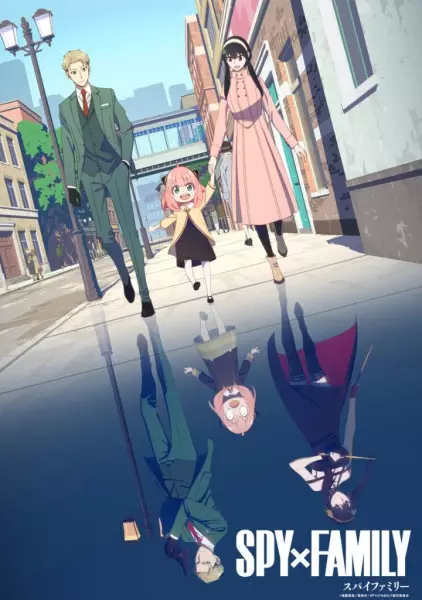
Think in terms of moods rather than strict genre labels. Pair intense action series like Jujutsu Kaisen or Demon Slayer: Kimetsu no Yaiba with something lower-stakes and funnier, like Spy x Family, so you always have an option that matches how you actually feel that night. Mob Psycho 100 is a great middle ground here too, since it carries real emotional weight but wraps it in comedy and a much gentler pace than a straight battle series.
The same logic applies to sports, slice of life, fantasy, and mystery. If your list leans heavily toward fantasy adventure, something like Frieren: Beyond Journey's End offers a slower, more reflective take on the genre that pairs well with faster-paced titles like Blue Lock, which brings sports anime energy with a competitive, almost thriller-like edge. A varied list means there is always something that fits your mood, which is the real reason people stop finishing what they start.
Episode count is one of the most overlooked factors in whether a watchlist actually gets watched. A queue full of fifty-plus episode commitments feels heavy before you have even pressed play on the first one, and that weight alone can make people avoid opening their list at all. Balancing short, self-contained series against longer, ongoing ones keeps momentum going.
Short series, the twelve to twenty-four episode range, are ideal for weeks when you want the satisfaction of finishing something quickly. The Apothecary Diaries works well here as a case study, since its mystery-of-the-week structure within a longer arc means you get closure often without needing to commit to dozens of hours upfront. Longer series like One Punch Man or Solo Leveling reward a different kind of viewing, the slow accumulation of world and character investment that pays off over multiple seasons.
A practical approach is to always have at least one short series active alongside a longer one. When the long-runner starts to feel like a slog, the short series gives you a finish line to aim for, and finishing anything, even something small, keeps the habit of watching regularly intact.
None of this status tracking or genre balancing matters much if you have to rebuild your list from memory every time you open a new tab. This is where actually using a site's built-in tools instead of a mental note or a scattered notes app makes the difference. On Aniwatch, the Add to List button sitting right on every title page exists precisely so you can capture a show the moment you hear about it, before it gets lost in the shuffle of everything else you are juggling.
Pairing that with the genre filters and episode guides turns browsing into actual planning. Instead of scrolling aimlessly, you can search by genre when you know you want something specific, check an episode guide to see how big a commitment a series really is before adding it, and use the Sub or Dub filter to make sure the version you add is actually the one you will watch. Adding a title only to discover months later that it is not available in your preferred format is a small but avoidable annoyance.
The habit that matters most is adding shows the moment you think of them rather than waiting until you are ready to start. Curiosity about a title tends to fade within days if it is not captured somewhere, and a quick Add to List click costs nothing while saving you from forgetting a recommendation entirely.
Every experienced anime watcher has a graveyard of shows they started and never finished, and that is completely normal. The mistake is letting those half-watched series linger in a Watching category where they clutter your view and make your list look more overwhelming than it is. If you have not touched something in a month and feel no pull to return to it, move it to Dropped and free up that mental space.
There is no rule that says you owe a series your time just because you started it. Tastes shift, life gets busier, and sometimes three episodes in is enough to know a show is not clicking, even if you never gave it that same energy at episode one when your expectations were different. Dropping a show is not a verdict on its quality, it is just an honest update on what works for you right now.
A clean Dropped list also serves a quieter purpose: it becomes a record of what you tried and did not connect with, which is genuinely useful information the next time someone recommends something similar. That context helps you make faster, more confident decisions about what deserves a spot back on your active queue.
A great anime watchlist is not a static checklist you fill out once and forget. It is a living reflection of your taste, your free time, and your mood on any given evening, and it works best when you treat it that way. Revisit it, prune it, celebrate what you finish, and do not feel guilty about what you drop. The goal was never to watch everything. The goal was to watch things you actually enjoy, in an order that keeps you coming back.
Aniwatch was built around that idea. Between the genre browsing, the episode guides, the Sub and Dub filters, and the Add to List button on every title page, the tools are there to help you turn a chaotic backlog into something you actually look forward to opening. Start small, pick four or five titles across different genres and lengths, and let the list grow naturally from there. Your future self, staring down a free Saturday with no idea what to watch, will thank you.


Join the conversation around trending anime, new episode guides, and fan-favorite series.