
Frieren: Beyond Journey's End
TV202315 epsFinished
Ask ten anime fans why a show stuck with them and you will get ten different answers, but underneath the specifics there is usually a common thread. A great anime rarely succeeds because of one flashy element. It succeeds because several things work together at once: a story worth telling, characters who change in ways that feel real, animation that supports the mood rather than just decorating it, pacing that respects the viewer's time, and sound that quietly shapes how a scene lands. Browsing a catalog like Aniwatch and trying to pick what to watch next gets much easier once you know what you are actually looking for beyond a genre tag or a popularity ranking.
This guide breaks down the core elements that separate a forgettable series from one people rewatch for years. None of these pillars work in isolation, and the best shows tend to be strong in at least three or four of them, even if they are not flawless everywhere. Using examples from well-known series, we will walk through storytelling, character growth, animation quality, pacing, and sound design, and explain how to spot each one while deciding what to add to your list.
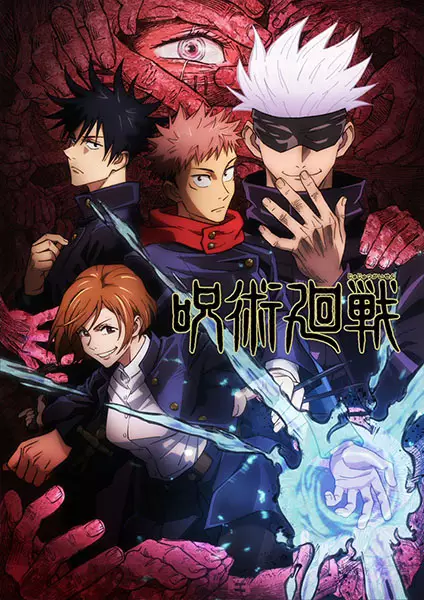
At its core, storytelling is about stakes and structure. Does the plot give the audience a reason to care what happens next, and does it build toward something rather than drifting from one event to another? Jujutsu Kaisen works because its supernatural battles carry genuine consequences for the characters involved, not just spectacle for its own sake. A fight only matters if the viewer understands what is being risked.
Good storytelling also means committing to a clear vision. Frieren: Beyond Journey's End takes a familiar fantasy setup and slows it down to focus on memory, time, and loss instead of the usual quest structure. That willingness to prioritize theme over convention is often what separates a merely competent show from one that feels distinct.
Strong narratives also plant details early that pay off later, whether it is a throwaway line or a minor character who becomes central. That kind of long-term planning rewards attentive viewers and gives a series rewatch value. When scanning episode guides on a site like Aniwatch, a good sign is a synopsis that hints at an ongoing arc rather than disconnected episodes.
Character development is one of the most talked-about qualities in anime, and for good reason, but it is often misunderstood. Growth does not just mean a character gets stronger or nicer over time. It means their choices and worldview shift in a way that connects logically to what they have experienced. Blue Lock shows this through competition rather than trauma: the protagonist's obsession with becoming the world's best striker evolves through specific rivalries and failures, so his mindset in any given arc is a direct result of what came before it.
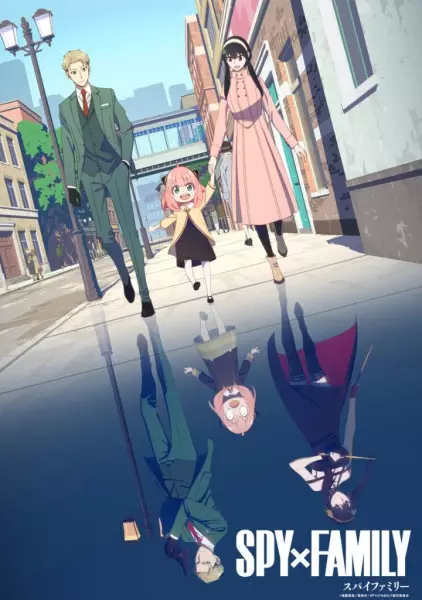
Ensemble shows face a harder job, since they need to manage multiple arcs without letting any character feel like set dressing. Spy x Family handles this by giving each member of its unconventional family a private goal, so even lighter, comedic episodes quietly advance who these people are to one another. Balancing humor with genuine emotional stakes across a whole cast is a sign of confident writing.
It is also worth watching for restraint. Not every character needs a dramatic redemption arc to be well developed. Sometimes the most convincing growth is small: finally asking for help, admitting a mistake, or trusting someone once avoided. These smaller beats often say more about the writing than any big speech.
It is tempting to judge animation purely by how fluid or expensive it looks, but the more useful question is whether the visuals serve the story. Demon Slayer: Kimetsu no Yaiba is frequently praised for its animation because the fight choreography does more than impress, it communicates a character's emotional state, whether that is desperation, fury, or focus. The visual intensity ramps up exactly when the story needs it to.
Comedy and psychological series prove animation quality is not only about action. Mob Psycho 100 uses deliberately expressive, sometimes exaggerated art style shifts to represent internal emotional pressure building up, a completely different use of animation than a fight scene but just as intentional. Strong visual direction is about matching style to purpose, not chasing one standard of realism.
Budget still matters, since inconsistent animation within a single season can be distracting. But viewers browsing Aniwatch are often better served by checking whether a studio's visual choices match the story's tone than by only comparing production values on paper.
Pacing is easy to feel and hard to explain, which is probably why poor pacing sinks otherwise solid shows so often without getting blamed directly. A well-paced series knows when to slow down for character moments and when to move quickly through less essential material. The Apothecary Diaries treats its mystery-of-the-week format as a vehicle for steadily deepening the political and personal stakes around its lead, so episodes that could feel like filler actually build toward the larger plot.
Pacing problems usually show up as rushed emotional beats that needed room to breathe, or a padded middle stretch that stalls momentum. Long-running action series are especially vulnerable to the second problem, which is part of why One Punch Man's first season is praised for how tightly it moves between comedy, world-building, and action without overstaying its welcome.
When deciding whether to commit to a new series, notice how you feel after three or four episodes. If the world and characters are established without dragging, that is a strong sign the writers understand pacing, and often a better predictor of whether you will finish the show than the premise alone.
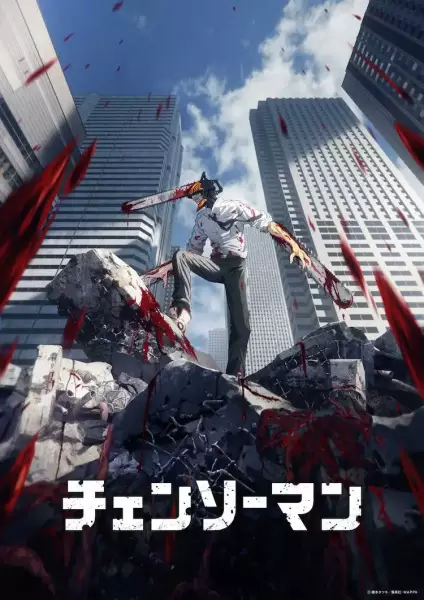
Sound is arguably the most underappreciated pillar of anime quality because it operates almost invisibly when done well. Score, sound effects, and voice performance all shape how a scene reads emotionally, often before the viewer consciously registers why. Chainsaw Man leans on an unconventional soundtrack, mixing genres and tones that would feel out of place in a typical action show, to reinforce its unpredictable, slightly unhinged atmosphere.
Voice acting matters just as much as score, particularly in the Sub versus Dub comparisons anime fans debate constantly. A strong vocal performance can sell a character's internal conflict even when the animation is holding still, which is one reason it is worth trying both language options rather than assuming one is automatically better. Preference here is genuinely personal and often depends on the show as much as the viewer.
Silence deserves mention too. Shows that understand pacing usually understand sound design, since knowing when to pull music back entirely can hit harder than a swelling orchestral cue. That restraint tends to show up in series confident in their storytelling overall.
No series excels equally at all five pillars, and that is fine. What separates a good anime from a genuinely great one is how well its strengths cover for its weaker areas. Solo Leveling leans heavily on animation quality and pacing to carry a fairly familiar power-fantasy structure, and it works because those two elements are executed with enough polish that the familiarity never feels like a drawback.
A useful habit when exploring genres and filters on a discovery site is to ask which of these five qualities you personally value most. Some viewers will forgive uneven pacing for exceptional character work, while others prioritize sound and atmosphere above almost everything else. Knowing your own preferences turns browsing from a guessing game into a targeted search.
There is no single formula for a great anime, and that is exactly what keeps the medium interesting. Storytelling, character growth, animation, pacing, and sound design each pull weight in different combinations depending on the show, the genre, and what a viewer is looking for that day. Recognizing these elements individually makes it much easier to explain why one series clicked with you and another did not, instead of just calling it taste.
Next time you are deciding what to watch, use these five pillars as a quick mental checklist rather than relying on hype alone. Aniwatch's catalog spans a wide range of genres and formats specifically so viewers can compare shows on these terms, whether that means checking an episode guide before committing to a long series or switching between Sub and Dub to see which voice work resonates more. The more deliberately you watch, the more consistently you will find anime that actually earns a spot on your list.
Join the conversation around trending anime, new episode guides, and fan-favorite series.