
Frieren: Beyond Journey's End
TV202315 epsFinished
Getting into anime is exciting right up until the moment it becomes overwhelming. There are thousands of series, a dozen subgenres you have never heard of, decades-old franchises with confusing watch orders, and a vocal community that seems to have strong opinions about everything. New fans tend to make the same handful of missteps early on, not because they are doing anything wrong exactly, but because nobody hands you a manual when you start.
The good news is that almost every beginner mistake in anime fandom is fixable with a small shift in habits, not a personality change. Below are the ones that trip people up most often, along with practical ways to avoid them using a bit of patience and tools like Aniwatch, which is built around exactly these problems: genre filters, episode guides, and Sub/Dub options that make discovery less of a guessing game.
A huge number of anime open with a slower or stranger first episode than the rest of the series ends up being. Mob Psycho 100 is a great example: its opening stretch reads as a fairly ordinary supernatural comedy before it reveals the emotional depth and animation creativity that made it a fan favorite. One Punch Man has the opposite problem, its premise sounds like a one-joke gimmick until the writing shows you how much it is doing with tone and pacing underneath the comedy.
New viewers often bail after episode one or two because the show has not "hooked" them yet, but plenty of great series need three to five episodes to establish their world, cast, and rhythm. That is not a flaw unique to anime, it is true of most serialized television. Give a new show a real runway before deciding it is not for you.
A simple habit fixes this: before starting anything, skim a short synopsis and check how many episodes the first season or arc runs. Aniwatch's series pages make this easy to check at a glance, so you can set expectations for pacing instead of judging a 24-episode arc off a single cold open.
Filler refers to anime-original episodes or scenes that are not part of the source manga or light novel, usually added to let the source material get further ahead before the anime catches up. It confuses new fans constantly, because suddenly the plot stalls, a new side quest appears out of nowhere, and nothing seems to matter for a few episodes. It is disorienting if you do not know it is happening.
This is especially common in long-running franchises where the anime moves faster than the source material, but it can also show up in more subtle forms, like an anime-original arc that never appears in the manga at all. It is not always bad content, but if you are trying to follow the main story tightly, unmarked filler can feel like a waste of time.
The fix is simply knowing before you watch, rather than discovering it mid-episode and feeling cheated. Checking an episode guide ahead of time, the kind Aniwatch keeps organized by season and arc, lets you decide whether to watch everything or skip straight to the parts that move the story forward.
It is tempting to start whatever is trending, and that is not a bad instinct, but it ignores a basic truth: genre fit matters more than popularity. Solo Leveling is a fantastic pick if you want fast-paced power fantasy with constant escalation, but if you are someone who prefers slower, more reflective storytelling, it might not land the way the hype suggests it will. Frieren: Beyond Journey's End, by contrast, is deliberately unhurried and melancholic, built for viewers who want emotional payoff over spectacle.
The same logic applies across genres. Someone who loves tightly plotted mystery pacing will likely enjoy The Apothecary Diaries far more than a straightforward action series, while someone chasing pure competitive tension might get more out of Blue Lock than a slice-of-life comedy. None of these are better or worse than each other, they are just built for different moods.
Before starting something purely because it is popular, ask what you are actually in the mood for: comedy, tension, romance, horror, sports drama. Aniwatch's genre filters exist specifically so you are not stuck guessing from a thumbnail and a trending badge, you can actually narrow results to what fits the mood you are chasing that week.
This sounds minor until it happens to you: you take a two-week break from a show, come back, and cannot remember if you finished episode fourteen or just started it. Multiply that across five or six shows you are juggling at once, and it becomes a real barrier to actually finishing anything. Long-running franchises make this worse, since many air in split cours with mid-season breaks, meaning a show can vanish for months and reappear with numbering that assumes you remember exactly where you left off.
Jujutsu Kaisen and Blue Lock are both good examples of series that air in chunks rather than one continuous block, and it is genuinely easy to lose your place across a hiatus. Without some kind of tracking system, most people either rewatch episodes unnecessarily or, worse, quietly drop shows they actually liked simply because picking back up felt like too much friction.
The fix is boring but effective: keep a running list, whether that is a note on your phone or a proper tracking feature built into wherever you watch. Aniwatch's episode organization makes it straightforward to see exactly where you stopped, so restarting a show after a break takes seconds instead of guesswork.
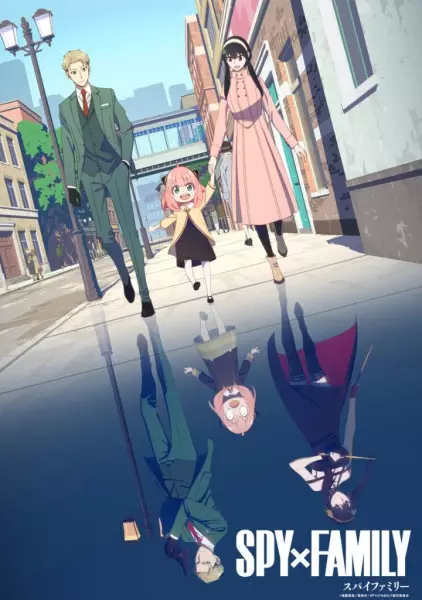
Few debates in anime fandom generate more unnecessary heat than sub versus dub, and new fans often absorb the idea that picking one makes them more "authentic" than picking the other. In reality, quality varies show by show, and plenty of series have genuinely excellent work on both sides. Spy x Family's English dub is widely praised for nailing the comedic timing of its cast, while something like Chainsaw Man's original Japanese performances carry a rawness that some viewers strongly prefer for its tone.
There is no single correct answer here, and insisting there is one just makes the hobby feel more gatekept than it needs to be. What actually matters is matching the format to the show and to your own preference, sometimes that means reading subtitles for a dialogue-heavy drama, and sometimes it means wanting a dub so you can multitask while watching a lighter comedy.
The easiest habit is simply trying both when you are unsure, rather than assuming one is automatically better. Aniwatch's Sub/Dub filter is built for exactly this kind of experimentation, so switching formats does not require digging through separate menus or guessing which version is even available.
Marathoning a show across a weekend feels great in the moment, but heavy emotional series back to back, especially anything with dense drama or violence, can genuinely wear a new viewer out faster than they expect. It is a big part of why some people start strong and then quietly stop watching anime altogether after a few intense weeks, mistaking burnout for losing interest in the medium itself.
Pacing yourself the way you would a prestige television season, a few episodes at a time with breaks in between, tends to produce a much better experience than plowing through an entire cour in one sitting. Mixing tones helps too: following something as heavy as a battle-driven shonen with a lighter comedy in between keeps the hobby feeling sustainable rather than draining.
This is less about discipline and more about variety. Keeping a mix of genres queued up, rather than only ever watching one flavor of intensity, makes it far easier to stay excited about anime long term instead of treating it like a chore to finish.
Every anime fan has made at least one of these mistakes, so there is no reason to feel bad about it. The point is not to watch perfectly, it is to build habits that let you actually enjoy the hobby instead of fighting against it. Give new shows a fair runway, learn to spot filler before it drains your patience, pick titles that match your mood instead of just your feed, keep some kind of record of what you have watched, stop treating sub versus dub as a loyalty test, and pace yourself so binging stays fun instead of exhausting.
None of this requires much effort once you have the right setup. Aniwatch exists to make these habits easy rather than optional: browse by genre when you want a real recommendation instead of a trending list, check episode guides before you commit to a long-runner, and flip between Sub and Dub without hunting across five different sites. Whether you are just getting into Demon Slayer: Kimetsu no Yaiba or working your way through a deep catalog, Aniwatch is built to make the discovery part as smooth as the watching part.


Join the conversation around trending anime, new episode guides, and fan-favorite series.