
Frieren: Beyond Journey's End
TV202315 epsFinished
Anyone who has spent real time browsing an anime catalog has run into the labels TV, OVA, ONA, Movie, and Special sitting quietly next to a title, with no real explanation of what they mean. They look like minor technical footnotes, but they actually tell you a lot about how a story was made, how long it runs, and whether you are about to watch the main course or a side dish. On Aniwatch, these labels are built directly into how the catalog is organized, which means understanding them makes browsing far less confusing and saves you from starting what you think is a full series only to finish it in twenty-five minutes.
This guide breaks down each format in plain terms: what defines it, why studios and networks choose it, and what kind of viewing experience you should expect going in. We will also look at why the distinction matters practically, not just as trivia, and how a well-organized platform like Aniwatch uses these categories to help you find exactly the kind of anime you are in the mood for, whether that is a long-running weekly series like Jujutsu Kaisen or a tighter, self-contained story you can finish in one sitting.
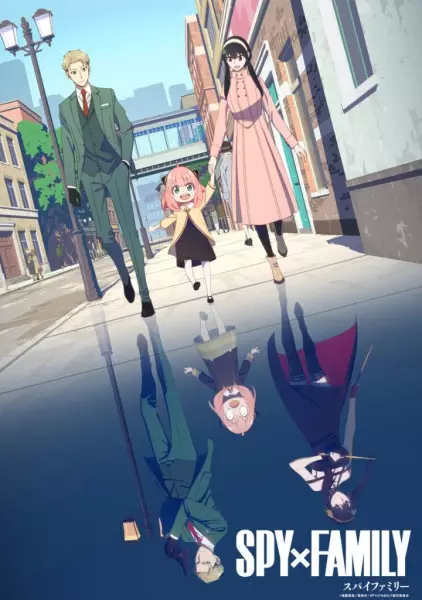
TV anime is the format most viewers know best, and for good reason: it is how the overwhelming majority of popular titles reach an audience. These shows are produced for broadcast on Japanese television networks, often simulcast internationally within hours of the domestic airing, and they follow a structured release pattern built around "cours," or roughly 12-13 episode blocks that can stretch into multiple seasons. Shows like Demon Slayer: Kimetsu no Yaiba, Frieren: Beyond Journey's End, Blue Lock, and Spy x Family all follow this model, releasing new episodes on a predictable weekly schedule that builds anticipation between installments.
Because TV anime is funded through production committees involving multiple sponsors, budgets and pacing are shaped by commercial realities as much as storytelling ones. Episodes are built to hold attention week to week, often ending on cliffhangers, and animation quality can noticeably rise and fall depending on which episode had a bigger budget allocation. This is also the format with the deepest catalog on most platforms, and on Aniwatch it is usually where you will find the widest Sub and Dub coverage, simply because TV series get licensed and localized more consistently than other formats.
An OVA, short for Original Video Animation, is made specifically for direct video release rather than television broadcast. Historically this meant VHS or DVD, and today it usually means a bonus disc or digital release tied to a manga volume, a Blu-ray box set, or a crowdfunded project. Because OVAs bypass broadcast scheduling and network content restrictions, studios sometimes use them to experiment, tell a darker side story, or simply lavish more animation budget per minute since there is no weekly deadline pressure.
Mob Psycho 100 is a good example of how this works in practice: alongside its televised seasons, it has released OVA episodes bundled with manga volumes that focus on side characters or moments the main story does not have room for. These are not required viewing to follow the plot, but they reward fans who want more texture around a world they already love. If you see OVA next to a title on Aniwatch, treat it as a supplement to the main story rather than a starting point, unless the description says otherwise.
ONA stands for Original Net Animation, and it describes anime produced specifically for internet distribution rather than television broadcast. This category grew rapidly alongside the rise of streaming platforms, since a studio partnering directly with a streaming service does not need to negotiate broadcast slots or work around TV programming blocks. That freedom shows up in the pacing: some ONAs release all episodes at once rather than weekly, and episode lengths can vary far more than the standard 24-minute TV format.
ONAs also tend to lean into different production techniques, with a noticeably higher share of full CG or hybrid animation compared to traditional TV anime, partly because digital-first productions were often built around studios experimenting with new pipelines. The line between ONA and TV has blurred somewhat as more anime debut through simulcast streaming deals, but the core distinction still matters: an ONA was conceived for the internet from the start, while a TV series was conceived for broadcast and streamed as a secondary channel.
Movies get a theatrical release in Japan, typically with a noticeably larger budget than a TV episode and a runtime built for a single sitting rather than a weekly drip feed. Some function as direct continuations of a TV story, essentially serving as an extended, high-budget episode that assumes you have already watched the series it follows. Others are standalone, offering an entry point that does not require prior context at all.
Jujutsu Kaisen 0 is a well-known example of the prequel-movie approach, giving new viewers a self-contained story while also enriching the wider series for existing fans. Whatever the case, movies tend to feel different from their TV counterparts in ways beyond just runtime: pacing is tighter, the score is often more cinematic, and the animation is generally more consistent from start to finish since there is no need to budget across a dozen or more weekly episodes.
Specials are extra episodes tied to an existing series that fall outside the regular broadcast run. They can take many forms: a recap episode summarizing a season before a sequel airs, a holiday-themed short, an epilogue released with a Blu-ray set, or a promotional short tied to a movie launch. They are usually shorter than a standard episode and released irregularly rather than on a season schedule.
For viewers, specials are a mixed bag worth checking before skipping. Many are genuinely optional, offering fun character moments without advancing the plot in any meaningful way. But some specials carry real narrative weight, such as an epilogue that closes out a character arc the main series left open. The safest approach is to glance at a special's description rather than assuming it is either essential or skippable by default, since the format alone does not tell you which one it is.
Knowing the format of a title before you click play sets expectations that actually affect your enjoyment. A TV series is a commitment measured in months or years across multiple cours, while an OVA or special might be a single evening's watch. Confusing the two leads to real frustration, like expecting a full story arc from what is actually a 30-minute bonus episode, or bracing for a quick watch and instead committing to a 24-episode season.
Format also affects viewing order. Movies and specials often assume you have already finished the TV series they are attached to, so watching them out of sequence can spoil plot points or simply feel confusing without context. And because OVAs and ONAs are less bound by broadcast content standards, they occasionally push further into mature or experimental territory than a network TV episode would, which is worth knowing going in if you are choosing something for a specific mood or audience.
Rather than lumping every release into one undifferentiated list, Aniwatch tags each entry in its catalog by format alongside genre and Sub/Dub availability, so you can see at a glance whether you are looking at a TV series, an OVA, an ONA, a movie, or a special. This turns what could be a confusing scroll through hundreds of titles into a filtering exercise you actually control.
That structure is especially useful when you already know what kind of watch you want. Filtering for TV series in a specific genre with Dub available will surface something like a long-running action series you can commit to over weeks, while filtering toward movies or specials points you toward something you can finish in one sitting. It also prevents a common frustration: clicking into what looks like a new season, only to discover it is actually a short special or recap episode. By separating formats clearly from the start, Aniwatch lets you spend less time second-guessing a listing and more time actually watching.
TV, OVA, ONA, movie, and special are not just trivia for anime nerds trading facts, they are practical signals about how a story was produced, how long it will take to watch, and whether you need any prior context to enjoy it. A weekly TV series like The Apothecary Diaries builds its pacing around a long-form broadcast schedule, while a movie or OVA is built for a very different kind of viewing experience entirely, and knowing which one you are about to click into makes for a much smoother night of watching.
Once you know what these labels actually mean, a catalog stops feeling like a wall of undifferentiated titles and starts feeling like a map you can navigate on your own terms. That is exactly the experience Aniwatch is built around: clear formatting, honest categorization, and filters that let you choose not just what genre or Sub/Dub option you want, but what kind of commitment you are signing up for before you press play.


Join the conversation around trending anime, new episode guides, and fan-favorite series.