
Frieren: Beyond Journey's End
TV202315 epsFinished
Sub vs dub is one of the first questions anyone asks the moment they fall into anime, and it never really stops coming up. Do you watch a series in its original Japanese with English subtitles, or do you switch to an English dub and let the voice cast carry the story while your eyes stay locked on the fight choreography or the food close-ups? There is no universal right answer, and depending on the show, your mood, or even what you are doing while you watch, your preference can shift from one week to the next. That is exactly why a catalog like Aniwatch lets you filter titles by Sub or Dub in the first place, rather than forcing every viewer into one format.
This guide breaks down what actually separates the two experiences, where each one genuinely shines, and how to figure out which approach fits the way you personally watch. Along the way we will lean on a few well-known series as concrete reference points, so the choice feels real instead of abstract.
Subbed anime keeps the original Japanese voice performances intact and adds translated text at the bottom of the screen. Everything you hear is exactly what Japanese audiences heard, timing, pacing, and vocal inflection included. The subtitles are a translation layer sitting on top of an untouched audio track, which means the actors' original comedic timing, screaming matches, and quiet pauses all arrive the way the director intended.
Dubbed anime replaces that Japanese audio with a newly recorded performance in another language, most commonly English. This is not just translation, it is adaptation. Scripts get rewritten so lines fit the mouth flaps of the animation, jokes get localized so they land with a new audience, and an entirely separate cast of voice actors builds their own take on each character. That extra layer of production is also why dubs typically take longer to release than subtitled versions, especially for shows that are still airing new episodes in Japan.
The strongest argument for subs is fidelity to the original performance. For a show built around quiet, contemplative delivery, like Frieren: Beyond Journey's End, the specific pacing of the Japanese voice actors carries a lot of emotional weight that a rewritten script can only approximate. Subs let you experience the exact rhythm the creators built the scene around, rather than a reinterpretation of it.
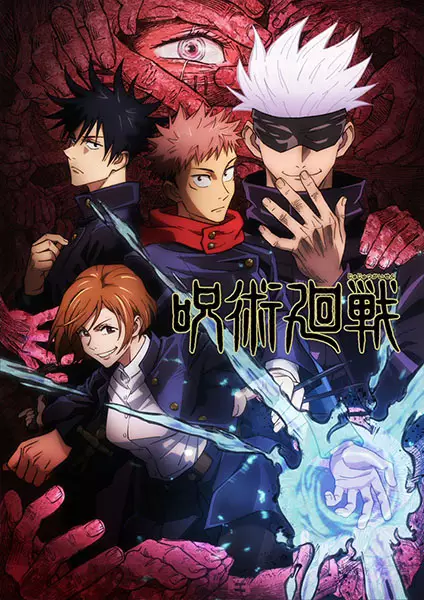
Subs also tend to reach viewers faster. Simulcast subtitled episodes for currently airing series often go up within hours of the Japanese broadcast, while dubbed versions usually follow weeks or months later once a studio finishes casting and recording. If you want to keep pace with a currently airing hit like Jujutsu Kaisen or Blue Lock without falling behind on forums and group chats, subtitles are usually the quicker route.
There is also a nuance argument. Subs preserve honorifics, wordplay, and cultural references in a way that gives attentive viewers more texture, even if a footnote or two is needed to fully land a joke. For viewers who enjoy picking apart the details of a series, that closeness to the source material is part of the appeal, not a barrier.
Dubbed anime removes the need to split your attention between reading text and watching the screen, which matters enormously for shows built on fast, chaotic visual information. A fight-heavy series like One Punch Man or Demon Slayer: Kimetsu no Yaiba throws a lot at the screen at once, and being able to watch the choreography without glancing down at subtitles can genuinely change how immersive the experience feels.
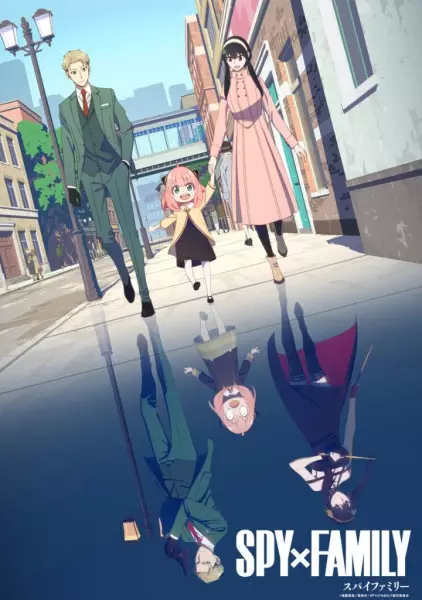
Dub quality has also improved enormously over the last decade. Casting directors now build performances with real range instead of flat line reads, and several English dubs have earned praise in their own right, sometimes even winning over parts of the audience who normally default to subtitles. A comedy-driven, family-oriented series like Spy x Family plays especially well dubbed, since a lot of its humor comes from vocal delivery and reaction timing that dubbing actors can localize naturally for English-speaking audiences.
Dubs are also the easier on-ramp for people who are new to anime or who are watching with friends and family who are not used to reading subtitles during fast-moving scenes. If you are trying to get someone into the hobby, or you want a show playing in the background while you do something else, a dub removes friction that might otherwise turn a first watch into a chore.
Your answer should depend less on a blanket rule and more on how you actually watch television. If you tend to half-watch shows while doing chores, cooking, or scrolling on your phone, a dub is going to serve you far better than subtitles you cannot actually read. If your anime time is dedicated, lights off, full attention, subtitles rarely feel like an obstacle at all.
Genre matters too. Shows with dense narration or a lot of on-screen text, like status windows and system messages in a series such as Solo Leveling, can get visually crowded if you are also trying to read subtitles layered on top. A dub frees up your eyes for everything else happening on screen. On the other hand, a slower, dialogue-driven mystery like The Apothecary Diaries rewards close attention to specific phrasing, and subtitles can actually help you catch small verbal clues that a looser dub script might smooth over.
It is also worth remembering this is not a permanent decision. Plenty of viewers watch a series subbed the first time through for the original performances, then rewatch it dubbed later because it is more relaxing on a second pass when the plot is no longer a mystery.
Not every series gets the same treatment. Long-running, widely popular shonen titles tend to get full, well-funded dubs because the audience and budget justify it, which is part of why shows like Demon Slayer: Kimetsu no Yaiba, Jujutsu Kaisen, and One Punch Man all have dub tracks many fans consider genuinely excellent. Newer or more niche titles sometimes only have subtitles available for a while, especially if they are still airing in Japan.
It also pays to look at what other viewers say about a specific dub before assuming quality is uniform across the board. Some casts click immediately, and a comedic, character-driven series like Mob Psycho 100 is frequently cited as an example of a dub that adds its own charm rather than just translating the original. Checking a bit of feedback before committing to twenty-plus episodes can save you from switching formats halfway through a season.
This is exactly the kind of decision Aniwatch is built to make easier. Rather than burying format details in a settings menu, Aniwatch labels each series and episode guide clearly as Subbed or Dubbed, so you know before you press play whether a title matches how you want to watch it that day. Browsing by genre and then filtering by Sub or Dub means you are not stuck guessing which version is actually available for a show you just added to your list.
Because switching formats on Aniwatch is low friction, there is no real cost to experimenting. Try an episode subbed, try the same episode dubbed, and see which one actually holds your attention better. Preferences are rarely identical across every genre, and giving yourself permission to answer the question differently for a slow character drama than for a loud action series will usually get you more enjoyment out of the hobby overall.
There is no objectively correct side of the sub versus dub debate, only the side that fits how you watch, what show you are watching, and who you are watching it with. Subtitles preserve the original performance and often arrive first, dubs remove the reading barrier and make multitasking or group viewing easier, and neither choice says anything about how seriously you take the medium.
The most useful habit is treating the format like any other setting you adjust to fit the moment, rather than a permanent identity you have to defend. Aniwatch's Sub and Dub labeling exists specifically so you can make that call episode by episode instead of guessing, so the next time you are staring at a new series in the catalog, pick whichever version gets you watching sooner. That is really the whole point.

Join the conversation around trending anime, new episode guides, and fan-favorite series.