
Frieren: Beyond Journey's End
TV202315 epsFinished
"Anime" is a medium, not a genre, and that one mix-up trips up more new viewers than anything else. A war epic, a cooking rom-com, and a fifteen-minute superhero comedy can all sit under the same "anime" label, yet they share almost nothing in tone, pacing, or intent. That is exactly why genre matters so much once you start browsing a catalog like Aniwatch: genre is the shorthand that tells you what kind of experience you are signing up for before you press play, long before you know anything about the specific characters or plot.
This guide walks through the major anime genres you will see tagged across Aniwatch, what actually defines each one beyond the marketing label, and how pairing genre filters with Sub or Dub preferences helps you land on something you will actually finish. Few shows sit in only one box; plenty blend two or three genres at once. But knowing the real traits behind each label turns browsing from a guessing game into a search you can actually control.
Action anime is built around physical or supernatural confrontation, with conflict driving nearly every episode forward. The core appeal is escalation: a character faces a threat, grows stronger or sharper, and then faces something even bigger. Most of what people picture when they hear "shonen anime" falls here, though action shows up across series aimed at every kind of audience, not just teenagers.
What separates strong action anime from a string of fights is what surrounds the fighting. One Punch Man takes the genre's own conventions and flips them into comedy, since its hero can already win any battle instantly, so the tension becomes about how a fight gets resolved rather than whether it will be won. Demon Slayer: Kimetsu no Yaiba pairs elaborate swordwork with a sincere, often heartbreaking story about grief and family, while Jujutsu Kaisen leans darker, weaving body horror and curse mechanics directly into its choreography.
If you gravitate toward action, expect training arcs, escalating rivals, and a steady stream of new abilities to track. On Aniwatch, the action tag combined with a Sub or Dub filter is usually the fastest way to narrow a huge catalog down to exactly that kind of adrenaline.
Slice of life anime trades escalating stakes for everyday moments: a shared meal, a walk home, an awkward conversation that never quite resolves the way a more dramatic show would force it to. Plot is often secondary to mood and character detail. A calmer subset of the genre, sometimes called iyashikei or "healing" anime, leans even further into quiet pacing and gentle scenery, with almost no conflict driving the story at all.
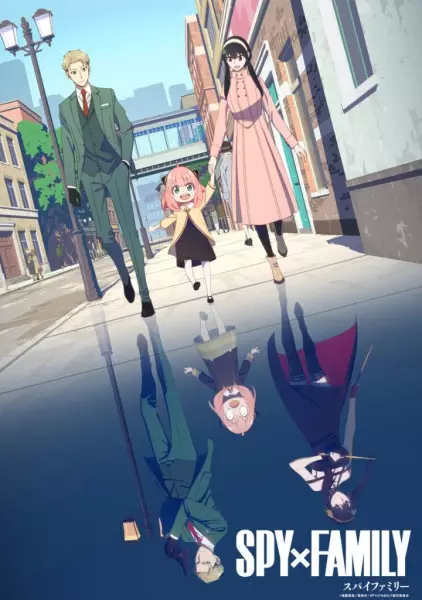
Spy x Family is a good example of how flexible this genre actually is in practice. Underneath its espionage plot, much of its charm comes from small domestic beats: dinner table routines, school assignments, a father and daughter slowly learning how to be a family. That slice of life rhythm is what makes the spy elements land emotionally instead of just functioning as action filler.
This genre rewards patience rather than urgency. It is the category to reach for when you want a comfort watch, something to have on in the background, or a palate cleanser between heavier, higher-stakes series.
Fantasy anime centers on invented worlds with their own rules: magic systems, mythical creatures, kingdoms, and histories that the story expects you to learn as you go. Isekai, a specific and hugely popular fantasy subgenre, adds a twist where a character is transported, reincarnated, or summoned into that world from ordinary life, which gives the audience a stand-in for learning the rules alongside them.
Frieren: Beyond Journey's End shows fantasy at its most reflective, following an elf mage processing loss and the slow passage of time after the adventure that would normally be the whole story has already ended. Solo Leveling takes the genre in a very different direction, using dungeon-crawling and a literal leveling system to turn its fantasy world into a power-fantasy engine, where the appeal is watching an underestimated character climb the ranks.
Fans of fantasy novels, tabletop games, or RPGs tend to gravitate here because so much of the enjoyment comes from world detail: maps, factions, magic rules, and lore that keeps expanding season after season.
Supernatural anime introduces something beyond ordinary physical rules, ghosts, curses, psychic abilities, devils, without necessarily building an entire separate fantasy world around it. Often the supernatural element intrudes on a recognizable, modern setting, which is part of what makes the genre unsettling or exciting depending on the show's tone.
Mob Psycho 100 uses a psychic protagonist who deliberately suppresses his own power, turning supernatural ability into a story about restraint, adolescence, and self-worth rather than spectacle for its own sake. Chainsaw Man sits at the darker end of the same genre, mixing devil-hunting horror with pitch-black comedy and a genuinely bleak view of its world. That range is exactly why "supernatural" covers so much ground: the same basic premise, powers that should not exist, can produce a coming-of-age comedy or a horror story depending on execution.
If you are exploring this genre for the first time, it helps to check where a given title sits on that lighthearted-to-horror spectrum before diving in, since the tonal gap between entries can be enormous.
Sports anime channels the same escalation that powers action shows into competition instead of combat: training, rivalry, and a match or season working toward a climactic contest. What makes the genre work is investment in craft, watching characters refine a skill and then testing that growth against an opponent who forces something new out of them.
Blue Lock reframes the formula by focusing on individual ambition inside a team sport, pitting strikers against each other in a brutal selection process built to manufacture a single world-class goal scorer, which gives soccer the same cutthroat tension usually reserved for battle shonen. That structure points to something worth understanding on its own: the tournament arc. Originally a sports staple, the bracket-style build, rival introductions, near-losses, and a decisive final match now shows up constantly in action and fantasy anime too, because it is simply an efficient way to stage escalating stakes with a clear finish line.
Recognizing the tournament arc as its own device, rather than a genre, explains why so many otherwise different shows suddenly start to feel familiar once the competition starts.
Romance anime puts relationship development at the center of the plot, whether that is a slow-burn will-they-won't-they, an arranged marriage learning to become genuine, or a friend group navigating feelings that complicate everything else. Comedy frequently rides alongside romance, since misunderstandings and awkward timing are natural sources of both humor and tension.
Spy x Family again demonstrates how genres blend in practice: a found family built entirely on a lie provides constant comedic misunderstandings, while the growing, unspoken affection between its leads gives the show real emotional stakes underneath the jokes. The Apothecary Diaries takes a quieter approach, letting mystery-solving inside a palace setting slowly reveal restrained, simmering feelings between its two leads without ever rushing the pace.
Viewers who want romance without excessive melodrama tend to do best with shows that pair it with comedy or mystery, since that combination keeps tension from tipping into something exhausting to watch episode after episode.
No genre label captures everything a show is doing, and the best anime usually borrow from two or three categories at once rather than sitting neatly in one. That is normal, and it is part of why browsing by genre works better as a starting point than a strict rulebook. Use it to narrow down the general mood you are after, then let episode counts, art style, and a quick synopsis do the rest of the deciding.
That is the philosophy behind how Aniwatch organizes its catalog: genre tags and Sub or Dub filters exist to get you to a good match faster, not to box shows into rigid categories. Whether you want the escalating fights of action, the quiet comfort of slice of life, or the built-in tension of a tournament arc, matching your mood to the right genre is the single most reliable way to find something on Aniwatch that you will actually want to finish.


Join the conversation around trending anime, new episode guides, and fan-favorite series.